What Should I Do If My Canadian Maple Leaf Card Expires? Problems Faced By Chinese Families Returning Home For Reunions

What Should I Do If My Canadian Maple Leaf Card Expires? Problems Faced By Chinese Families Returning Home For Reunions
It is not uncommon for Chinese families who immigrated in their early years to return to their place of origin after immigrating. The applicant and his wife were already in their 40s and 50s when they immigrated more than 10 years ago and had no career in Canada. Therefore, many people decided to leave their school-age children to study in Canada.
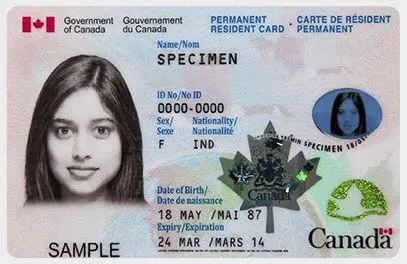
It is not uncommon for Chinese families who immigrated in the early years to return to their place of origin after immigrating. When the applicant and his wife immigrated more than 10 years ago, they were already in their 40s and 50s, and there was no room for career development in the country where they immigrated. Many people therefore decided to leave their children who were still in school to study in Canada, while they themselves returned to mainland China to continue to seek rapid development. Time flies by, and now more than 10 years have passed. The children who studied in Canada have already established a firm foothold in this land, taken root in this land, and have entered the stage of life where they are getting married and having children. However, my parents, who were developing in mainland China at this time, had not set foot on Canadian soil for many years, so the Maple Leaf Card had already expired. Although the person concerned is not sure whether his permanent resident status is still valid because the Immigration Department has not officially revoked his immigration status, his parents who have returned have retired and are faced with the problem of returning to Canada to reunite. As they grow older, they either need to live with their children again to receive care, or they need to return to Canada to help take care of the third generation. This is a headache for these people.
Return immigrants should avoid vague customs clearance when returning to Canada.
Recently, there was a Chinese website in Toronto, and someone posted a "Help" message on it. The parents of the person involved returned home early in their life, and their Maple Leaf Cards have expired. It seems difficult to maintain their permanent resident status in Canada. Now I want my parents to come back to Canada to reunite. If I apply for any kind of entry visa on my parents’ behalf, it will draw the attention of the Immigration Department to my parents’ past status. It is possible that the so-called “blurred” situation will become “clear” and the mother’s immigration status ten years ago will be “officially” cancelled. How to avoid this situation can make the parties think a lot.
The person concerned stated through the help post that after his parents returned to the mainland, they had lived in the mainland for nearly ten years. The Maple Leaf Card had expired. In the past five years, he definitely did not meet the basic conditions of living in Canada for at least two years. The person himself knew that it was probably impossible to restore his immigration status and exchange for a new Maple Leaf Card.
As far as the requester is concerned, he stated that the immigration status his parents had 10 years ago was not officially revoked by Canada in a "formal" way or through "official" channels. It seems that there is still a "fuzzy" space left. He does not want to completely lose his parents’ immigration status, mainly because he is worried that in the following days, when his parents enter the elderly stage, they will not be able to take care of their own daily life, and it will be inconvenient to fly for long distances.
However, if you apply for any kind of entry visa for your parents now, it will cause the Immigration Department to pay attention to the parents' past status, and there is a possibility of changing the "blurred" to "clear", and "officially" canceling their immigration status ten years ago. How to avoid this situation became a question that made him think hard.
This client seems to be planning to ask Beijing to apply for a short-term arrival visa (tourist or family visit) for his parents to travel to Canada, but does not mention to the immigration officer that his parents have immigrated in the past. However, he noticed that the short-term visa application form required to indicate whether the applicant had previously obtained Canadian permanent resident status. After asking the Canadian Visa Center in Beijing, the other party said that once it is discovered that the applicant has held a Canadian Maple Leaf Card, the application will be transferred to the immigration staff, not the department that usually handles visit visas. The person at the visa center suggested that if he has already decided to apply for a short-term entry visa for his parents, it is better to attach the applicant's statement directly and give up his previous permanent resident status in Canada.
Immigration consultant: Applying for a 10-year visa may not be successful
If you are a Canadian permanent resident overseas and do not hold a valid Maple Leaf Card, immigration consultant Robin said that before returning to Canada, you must apply for a "travel document" at a Canadian embassy or consulate overseas. After returning to Canada with this "travel document", you can apply for a valid Maple Leaf Card again.
Robin pointed out that when applying for this travel document, if the immigration officer finds that the person fails to meet the minimum requirement of living in Canada for two years within five years, the person's permanent resident status will be officially canceled through official procedures. People who have had their permanent resident status revoked will think about this. If they feel that the immigration officer’s decision is unreasonable, they should appeal through judicial procedures. Otherwise, they will have to apply for a visit visa and re-enter Canada in the future.
He also said that there are some people who have not lived in Canada for a long time. Knowing that their identity cannot be retained, they directly apply for a visit visa and then declare that they are Canadian permanent residents. This appears to be two steps merged into one in terms of application. However, when the Canadian embassy and consulates are processing the application, they still have to formally remove the applicant's permanent resident status before deciding whether to grant the applicant a visit visa.