U.S. Green Card Vs Canadian Maple Leaf Card: Full Analysis Of The Differences! Detailed Explanation Of Residence, Tax, And Application Requirements

U.S. Green Card Vs Canadian Maple Leaf Card: Full Analysis Of The Differences! Detailed Explanation Of Residence, Tax, And Application Requirements
The U.S. Green Card and the Canadian Maple Leaf Card are the permanent residence status certificates of the two major immigration countries in North America. They have significant differences in residence requirements, tax obligations, international travel convenience, etc., so today Immigration Experts
The U.S. Green Card is a permanent residence status certificate for a major immigration country in North America, and the Canadian Maple Leaf Card is also a permanent residence status certificate for a major immigration country in North America. They have significant differences in residence requirements, tax obligations, and international travel convenience. So today, Feiji immigration experts will make an inventory and comparison based on the topic of the difference between the U.S. Green Card and the Canadian Maple Leaf Card!
Differences between US Green Card and Canadian Maple Leaf Card
1. Nature and definition of identity
The U.S. Green Card, whose official name is "Permanent Resident Card", is designed for foreigners with permanent residency. It is a proof of identity that shows that the holder can live in the United States without restrictions, work in the United States for an unlimited period of time, and continue to study in the United States.
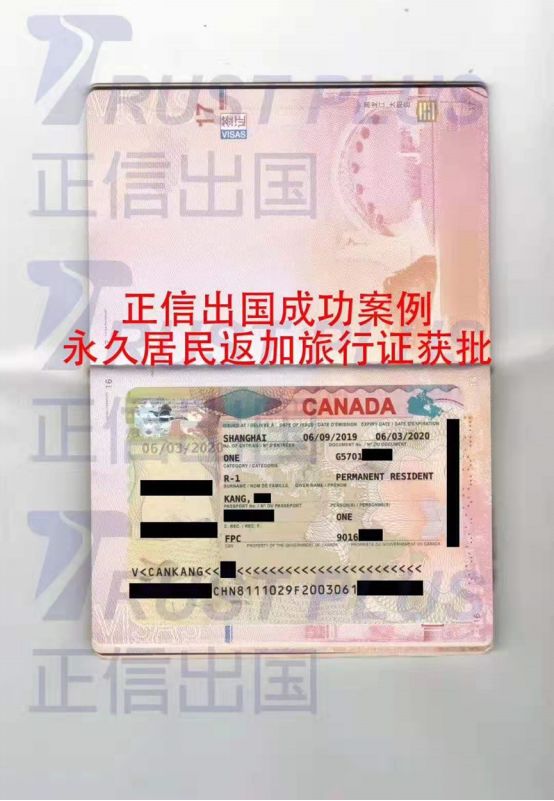
The Canadian Maple Leaf Card, whose official name is "Permanent Resident Card", is an identity certificate provided to Canadian permanent residents. This certificate can prove that the cardholder has the right to live and work in Canada.
2. Application conditions and thresholds
There are many types of application methods for the U.S. green card, such as obtaining immigration qualifications through relatives, achieving immigration purposes through professional channels, relying on investment means to achieve immigration requirements, etc.
The conditions for applying for relative immigration are as long as the relative of a U.S. citizen or green card holder is the sponsor. In the category of professional immigration, for EB-1A outstanding talent immigration, the requirement is that as long as you have excellent results in the professional field, the corresponding requirements will not be too high.
Common application methods for the Canadian Maple Leaf Card include immigration through technical skills, immigration through employer sponsorship, and business immigration, etc.
Applicants' age, education, language ability, work experience, etc. will be comprehensively scored by skilled immigrants. Only when the scores meet the requirements can they be approved. Employer-sponsored immigration usually requires applicants to have certain work experience and relevant skills, and to obtain an offer from a local employer in Canada.
3. Tax liability
U.S. green card holders, no matter where they live, must declare their worldwide income to the U.S. government and pay taxes.
Regarding the Canadian Maple Leaf Card, there is such a situation. If the person holding the Maple Leaf Card does not live in Canada, then there is no need to pay taxes to the Canadian government.
4. Enjoy benefits
Holding a US green card can enjoy educational benefits. For example, if your child can study in a public school as a local student, the tuition will be relatively low, and he can also enjoy certain social welfare projects. However, many benefits are related to work, so once you stop working, the benefits may be affected.
In public schools, children can learn basic education courses for free. Canada has a variety of childcare benefits such as child benefits. All citizens have free medical care and can use their medical cards to seek medical treatment. Just like holding a Canadian Maple Leaf Card, you should be eligible to enjoy these benefits.
The above is what Feiji Immigration has integrated. The relevant information about the differences between the U.S. Green Card and the Canadian Maple Leaf Card is based on a thorough inventory and interpretation of many different factors. If there is specific content you want to know, you can contact Feiji Immigration at any time.